Erasing People by Erasing Platforms
Over the past decade, sex work has undergone a profound transformation. What was once largely confined to streets, clubs, and informal networks moved steadily into the digital world. Escort directories, personal websites, encrypted messaging apps, and social media platforms did not simply modernize the industry they made it safer, more transparent, and more autonomous for those working within it.
Today, that progress is being systematically dismantled. Through platform bans, financial exclusion, and policy decisions framed as protection or morality, sex workers are being pushed out of online spaces and back into physical environments that history has already proven to be dangerous. This article explores what happens when sex workers are erased from the digital sphere and why the consequences reach far beyond the individuals affected.
The Digital Space as a Safety Infrastructure
Why Going Online Reduced Harm
The move online was not about convenience or profit alone. It was, above all, about survival. Digital platforms allowed sex workers to communicate before meeting, to assess tone, expectations, and potential red flags. They could set boundaries in writing, choose when and where to work, and avoid spontaneous encounters driven by desperation or pressure.
Indoor work, facilitated by online advertising, dramatically reduced exposure to street violence. The ability to decline clients without confrontation, to work independently without intermediaries, and to maintain a predictable income stream changed daily risk calculations. The internet became an informal but powerful safety infrastructure.
Visibility with Control
Online presence offered a paradoxical but crucial balance: visibility without exposure. Sex workers could be found by clients while remaining invisible to those who posed the greatest danger. That balance is now collapsing.
Deplatforming: When Online Presence Becomes a Liability
The Silent Purge on Social Media
In recent years, major social media platforms have intensified enforcement against anything associated with sex work. Accounts are suspended without explanation, content is removed despite being non-explicit, and years of audience-building vanish overnight. Appeals are rare, transparency nonexistent.
These platforms often claim neutrality, yet enforcement is inconsistent. Sexualized content from mainstream influencers thrives, while sex workers sharing safety tips, advocacy messages, or fully clothed promotional images are erased. The result is not protection, but silence.
Losing More Than Marketing
Social media is often framed as a promotional tool, but for sex workers it functions as far more. It is where warnings about dangerous clients circulate, where newcomers learn safety practices, and where isolation is broken through community. When accounts are removed, those informal safety networks collapse with them.
Escort Advertising Under Pressure
Shrinking Digital Marketplaces
Escort directories and classified platforms have increasingly become targets of legal, financial, and infrastructural pressure. Hosting providers withdraw services, payment processors refuse transactions, and advertising restrictions expand even in jurisdictions where sex work itself is legal.
As legitimate platforms disappear, the market does not vanish. It fractures. Sex workers are pushed toward unstable websites, private messaging chains, or offline arrangements that lack transparency and accountability.
From Structured Choice to Forced Risk
Online directories offered structure: clear profiles, expectations, and reputational systems. Removing them replaces informed choice with guesswork, increasing the likelihood of dangerous encounters for everyone involved.
Financial Exclusion as Structural Violence
When Banks Decide Who Is Allowed to Work
Perhaps the most quietly devastating trend is financial exclusion. Sex workers regularly report bank accounts being frozen or closed with little or no explanation. Funds are locked, transactions reversed, and access to basic financial tools revoked often regardless of local laws.
This is not a minor inconvenience. It is a sudden collapse of stability. Rent, utilities, childcare, and medical expenses do not pause while compliance departments deliberate.
The Return of Cash and Its Dangers
Without access to banking, sex workers are forced into cash-based survival. Cash increases vulnerability to theft, removes financial records, and makes long-term planning nearly impossible. It also pushes workers toward intermediaries who promise solutions but extract control in return.
The Inevitable Return to the Streets
What Happens When Digital Doors Close
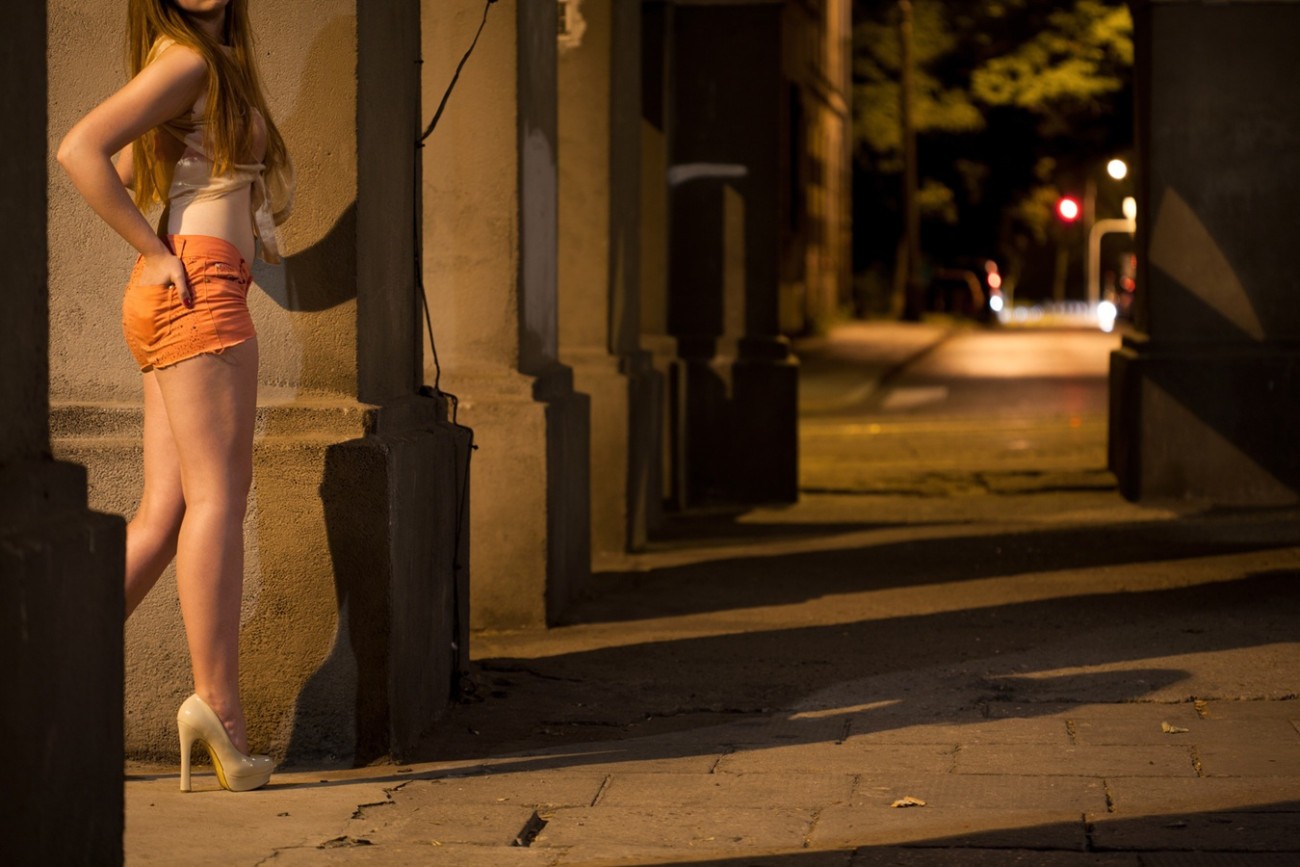
When online visibility disappears and financial systems reject participation, options narrow rapidly. For many, street-based work becomes the last remaining path to income. This is not a choice made lightly, but one made under pressure.
Street work strips away nearly every layer of protection digital platforms provided. There is no screening, no negotiation time, no digital trail. Decisions are made in seconds, often under threat.
Exposure Without Safeguards
On the street, sex workers are highly visible and completely unprotected. Violence becomes more likely, reporting becomes less feasible, and trust in institutions erodes further with each encounter.
Cities at Night: The Broader Impact
Public Safety Does Not Improve
Pushing sex work back onto the streets does not make cities safer. It concentrates risk in public spaces, increases opportunities for exploitation, and drives activity into areas with minimal oversight. Violence becomes harder to prevent and easier to ignore.
Emergency services, outreach organizations, and law enforcement face greater strain responding to crises that could have been prevented through harm reduction.
The Growth of Shadow Economies
As formal systems close their doors, informal and criminal networks step in. This shift benefits those willing to exploit desperation, not those seeking safety or stability.
The Psychological Cost of Forced Invisibility
Living Under Constant Threat
When sex workers are pushed offline, fear becomes a constant companion. The loss of digital tools means the loss of control, predictability, and community support. Work becomes an exercise in endurance rather than agency.
Trauma That Extends Beyond the Individual
Chronic exposure to danger produces long-term psychological harm. Anxiety, burnout, and trauma ripple outward, affecting families, communities, and public health systems.
Erasure Is Not Protection
A Proven Failure Repeated
History is unambiguous. Criminalization and forced invisibility do not eliminate sex work. They make it more dangerous, more exploitative, and harder to regulate. Removing online access repeats the same mistake with modern tools.
Who Benefits from Silence
When sex workers lose autonomy, power shifts elsewhere to intermediaries, criminal groups, and opaque systems that thrive in unregulated environments. Safety declines precisely where control increases.
The Cost of Forcing People into the Dark
Removing sex workers from online spaces is often framed as progress. In reality, it is a regression with predictable consequences. Digital platforms did not create sex work, but they reduced harm, increased autonomy, and made cities safer by moving activity indoors and into structured environments.
Forcing sex workers offline pushes them back into the streets, into danger, and into silence. The cost is paid not only by those directly affected, but by cities that become less safe, systems that become more strained, and societies that choose erasure over engagement.
The question is not whether sex work should exist online. It already does. The real question is whether we are willing to accept the human and urban consequences of pretending that making people invisible makes problems disappear.