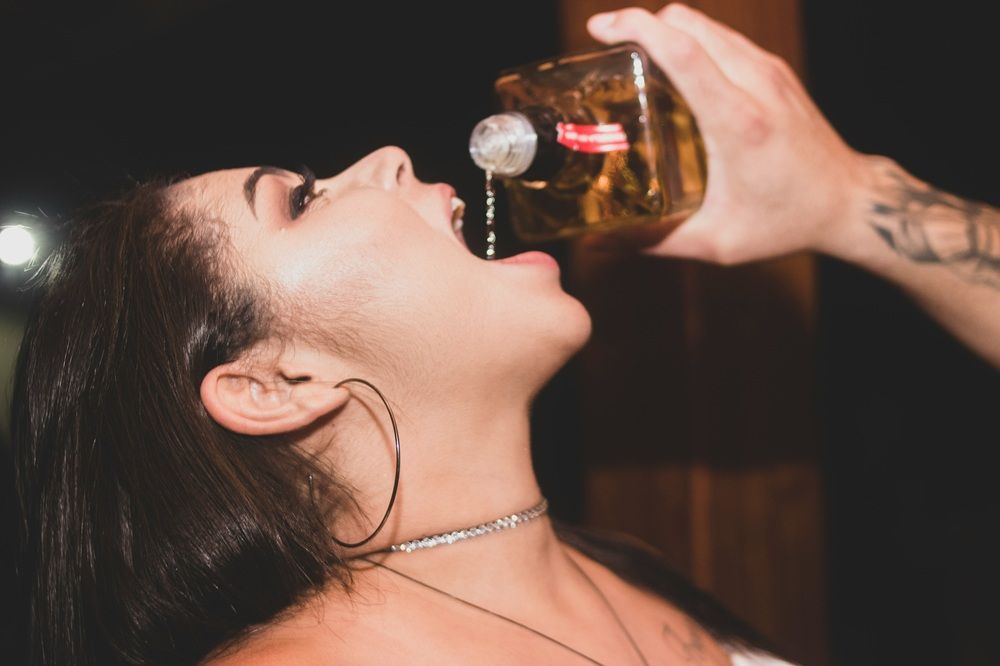
Why This Conversation Needs to Happen
There is an elephant in the room that almost no one in the escort industry wants to address openly: alcohol is everywhere in this profession, and its relationship with the work is complicated, often misunderstood, and occasionally dangerous.
Escorts operating at any level from independent companions taking two bookings a week to full-time professionals traveling internationally are routinely placed in environments where drinking is normalized, expected, or even structurally built into the booking itself. Dinner dates. Hotel bars. Private events. Yacht parties. Corporate gatherings. The social architecture of high-end companionship is saturated with alcohol.
This is not inherently a problem. But it becomes one faster than most people expect, and the professional consequences to say nothing of the health consequences can be severe and long-lasting. This guide exists to cut through the noise and give working escorts the practical, honest information they need to navigate alcohol in their professional lives with intelligence and intention.
The Social Role of Alcohol in Escort Work
To understand the challenge, you first have to understand why alcohol is so embedded in this profession in the first place.
It Lubricates Social Anxiety on Both Sides
Many clients are nervous. Regardless of how much experience they have booking companions, the initial meeting carries social tension. A drink gives both parties something to do with their hands, slows the pace of conversation, and creates a transitional ritual that moves the encounter from "strangers meeting" to "two people spending an evening together."
Escorts often find themselves subtly managing this anxiety mirroring a client's drink order, pacing their consumption to match the room's energy, using the act of sharing a drink as a social equalizer. This is skilled, intentional work. The problem is that doing it night after night, booking after booking, adds up to a level of alcohol exposure that would concern any occupational health professional.
It Is Sometimes Explicitly Part of the Job Description
Many bookings dinner dates, event companions, overnight arrangements involve alcohol as a stated or implied component. A client booking a companion for a gala evening expects her to be socially comfortable with champagne flowing throughout the night. Refusing to drink at all can create friction, break the social spell, or signal discomfort in ways that undermine the entire experience.
This creates a genuine professional tension: the expectation to participate, versus the very real risks of doing so repeatedly and heavily.
The Risks Escorts Face That Others Don't
The general risks of heavy alcohol consumption are well-documented liver damage, dependency, cognitive decline, mental health deterioration. But escorts face a specific set of compounding risks that deserve their own attention.
Impaired Judgment in High-Stakes Situations
An escort's ability to read a room, assess a client's intentions, and make fast decisions about safety is her single most important professional asset. Alcohol degrades exactly these capabilities subtly at first, then dramatically. A companion who is three drinks into an evening is meaningfully less able to recognize a situation that is moving in a dangerous direction, or to respond to it effectively if it does.
This is not a theoretical risk. It is one of the most consistent factors in the accounts escorts give when describing encounters that went wrong.
The Dependency Trap Is Closer Than It Looks
The human brain is remarkably efficient at forming associations. When alcohol is consistently present during high-stress, high-performance situations, the brain begins to associate it with the ability to cope with confidence, with social ease, with the capacity to be "on" for hours at a time. Before a dependency is conscious, the pattern is already established: drink before a booking to settle the nerves, drink during to stay smooth, drink after to decompress.
Each of these is understandable in isolation. Together, they describe the early stages of alcohol dependency. And the schedule of escort work irregular hours, social isolation, the performance pressure of consistently presenting a composed and engaging persona creates conditions where this progression happens faster than in most other occupations.
The Professional Consequences Are Irreversible
Reputation in the escort industry is everything and it travels fast, particularly in the age of client review platforms and international directories. A companion who is visibly drunk at a booking, who becomes emotionally unpredictable under the influence, or whose drinking begins to affect her reliability and communication will see her reputation erode quickly and rebuilding it is an extraordinarily difficult task.
There is no HR department to mediate. No sick leave policy. No union. When professionalism slips because of alcohol, the consequences land directly and immediately on the individual.
Practical Strategies for Managing Alcohol at Bookings
This is where the guide becomes genuinely useful. Not moralizing practical, tested strategies that working professionals actually use.
The Illusion of Participation
One of the most effective strategies requires no willpower whatsoever: appear to be drinking without actually drinking heavily. This works across a wide range of booking contexts.
Order sparkling water in a wine glass. Nurse a single drink across an entire dinner. Order a second drink and leave it largely untouched. When offered a refill, accept graciously and then simply don't drink it. At cocktail parties, hold a glass. Most clients are either not paying close attention to how much their companion drinks, or they interpret slow, selective drinking as sophistication rather than abstinence.
This strategy requires no explanation, no awkwardness, and no disruption to the social flow of the evening. It is used routinely by experienced escorts at every level of the industry.
Setting Expectations Before the Booking
For companions who prefer to be more direct, setting expectations during the booking negotiation phase is entirely reasonable and increasingly common. A brief note something like "I enjoy social drinking but pace myself carefully" can be included in a profile or communicated during initial contact. This sets a tone of professionalism and self-awareness without making alcohol the centerpiece of the conversation.
Clients who are serious about booking a quality companion will respect this. Clients who push back against it are, in themselves, a useful data point.
The Hard Limit Rule
Many experienced escorts swear by a personal hard limit a specific number of drinks per booking, non-negotiable, regardless of social pressure, the pace of the evening, or how enjoyable the company is. Two drinks is a common ceiling. One is not unusual.
The key is that the limit is decided in advance, not negotiated in the moment. In-the-moment decisions about alcohol are made by a brain that is already being affected by alcohol. The limit has to be pre-committed, like any other professional boundary.
Eating Before Every Booking
This is one of the most straightforward and most frequently ignored pieces of advice. Alcohol is absorbed far more slowly when the stomach is not empty. Eating a proper meal protein and fat, not just carbohydrates before a booking that will involve drinking meaningfully reduces the effect of any alcohol consumed. It is also a form of self-care that contributes to sustained energy and mental sharpness across a long evening.
Recognizing When Drinking Has Become a Problem
The escort industry, like many high-performance service industries, has a culture that can make it difficult to recognize when professional drinking has crossed into problematic territory. Here are the honest indicators.
You Are Drinking Before Bookings to Manage Anxiety
If alcohol has become a pre-booking ritual a way of managing nerves rather than enjoying a social moment that is a signal worth taking seriously. It indicates that the brain has already begun relying on alcohol as an anxiety management tool, which is the foundational structure of dependency.
Your Days Off Look Like Your Working Days
One of the clearest markers of alcohol dependency is when consumption patterns established for professional reasons bleed into personal time. If you are drinking heavily on days you are not working, using the same amounts and patterns, the professional justification has become a rationalization.
Your Booking Quality Is Declining
Clients notice. They may not say anything directly, but reviews and repeat bookings tell a story. If there is a pattern of shorter stays, lower tips, fewer repeat clients, or reviews that hint at issues with presence or engagement, it is worth asking honestly whether alcohol is a factor.
Resources and Support
The escort industry offers almost no formal support infrastructure for alcohol-related issues. Companions are self-employed, largely anonymous, and often unable to access standard occupational health resources without compromising their privacy.
What does exist:
Anonymous support programs — Alcoholics Anonymous operates in virtually every country in the world and does not require you to disclose your occupation, your real name, or anything else. Online meetings are available in multiple languages around the clock.
Private therapy — Therapists who specialize in addiction and who work with clients in sex-adjacent industries exist in most major cities and increasingly offer fully remote sessions. Privacy-first platforms make finding them easier than it has ever been.
Peer networks — Communities of current and former escorts exist online where these conversations happen honestly and without judgment. Finding these communities — and having these conversations with people who actually understand the professional context is often more immediately useful than formal resources.
Alcohol is a fixture of high-end escort work. It does not have to be a hazard. The difference between the two lies almost entirely in intention, self-awareness, and the willingness to apply the same professionalism to personal health that a great companion applies to everything else about her work.
The escorts who build long, sustainable, genuinely rewarding careers in this industry are not the ones who never encounter these pressures. They are the ones who see them clearly, manage them intelligently, and refuse to let the social architecture of their work dictate the terms of their personal wellbeing.
That is a professional standard worth holding.