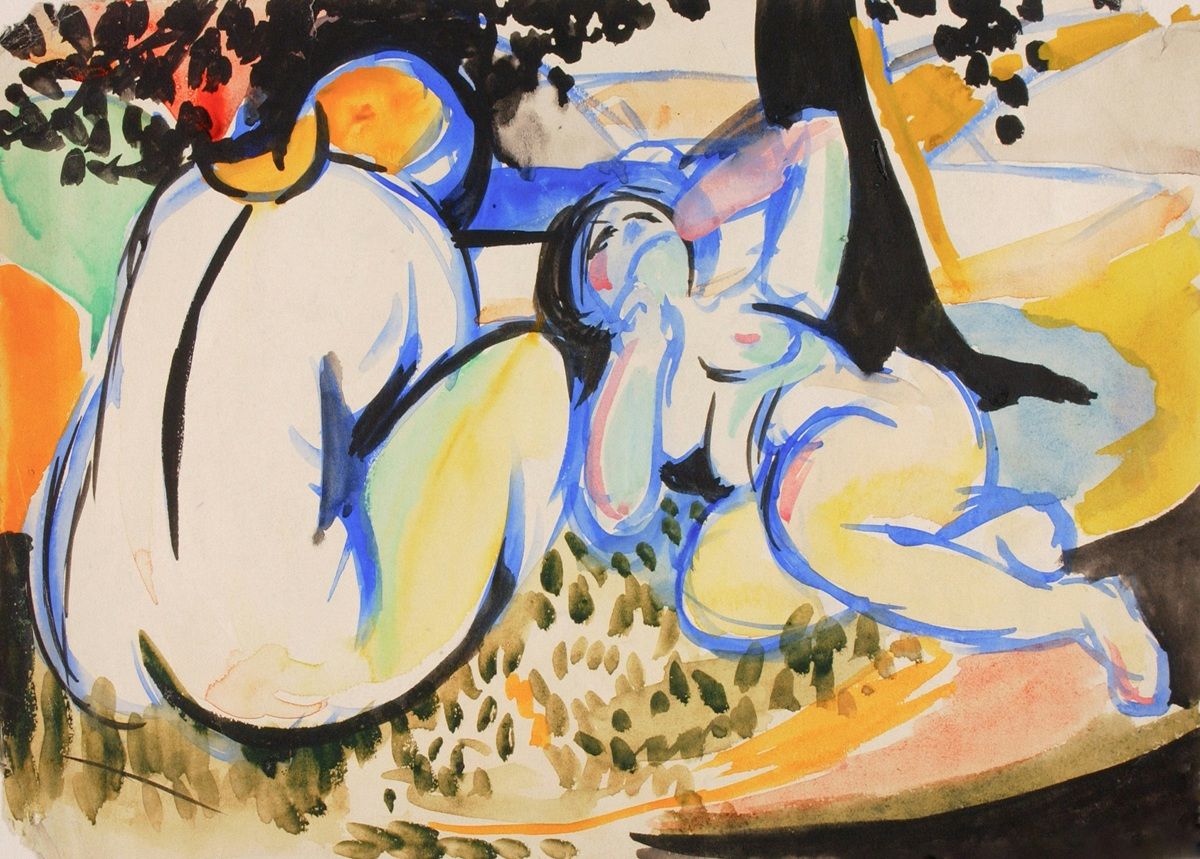
Few forces have inspired as much creativity, controversy, and craftsmanship as human desire. From the earliest cave paintings to the glossy cinema of today, artists have used sensuality and sexuality as a lens to explore identity, power, beauty, and the human condition. This is not a footnote in art history it is one of its central threads. In this article, we take a deep dive into how sex and eroticism have shaped painting, film, music, literature, and photography, and why this ancient fascination still defines culture today.
Why Sexuality Has Always Been a Muse for Artists
Long before Freud gave desire a psychological vocabulary, artists already understood that sexuality touches something primal in the human experience. It represents vulnerability, intimacy, danger, liberation, and transformation all at once. Depicting desire allowed painters, composers, and filmmakers to explore themes that polite society often refused to discuss openly longing, jealousy, seduction, and the complicated dance between power and pleasure.
Sexuality in art has never simply been about titillation. It has been a mirror held up to social norms, a tool of rebellion against censorship, and a way to celebrate the human body as something worthy of admiration rather than shame. Understanding this connection gives us a much richer appreciation of both classical masterpieces and contemporary pop culture.
Desire as a Universal Language
Across every culture and century, the erotic has served as a universal language that transcends borders. Whether it's a Renaissance fresco in Italy or a music video from Seoul, sensuality communicates something instantly recognizable attraction, tension, and the pull between two people. This universality is exactly why sex-themed art continues to resonate globally, regardless of the era in which it was created.
Painting: The Nude as the Ultimate Artistic Challenge
Painting has arguably explored eroticism more explicitly and for longer than any other art form.
The Classical Nude
In ancient Greece and Rome, the human body was celebrated as a symbol of divine perfection. Sculptors and painters depicted nude gods and goddesses not to shock, but to honor physical beauty as a reflection of moral and spiritual ideals. This tradition carried into the Renaissance, where masters like Titian and Botticelli painted sensual figures such as Venus, blending mythology with unmistakable eroticism.
Titian's Venus of Urbino is often cited as one of the most quietly provocative paintings in Western art a reclining nude whose gaze meets the viewer directly, transforming a mythological subject into something startlingly intimate.
Modern Rebellion Through the Body
By the 19th century, painters began using the nude to challenge social convention rather than simply celebrate beauty. Gustave Courbet's controversial L'Origine du Monde shocked audiences with its unflinching realism, while artists of the Vienna Secession particularly Gustav Klimt and Egon Schiele used sensuality to explore raw emotional and psychological states.
Klimt's gold-drenched embraces in works like The Kiss elevate intimacy to something almost spiritual, while Schiele's raw, angular nudes expose vulnerability and desire without any pretense of modesty. These painters didn't just depict sex they used it to interrogate identity, anxiety, and the human psyche.
Contemporary Erotic Art
Today, contemporary artists continue this legacy. Photographic realism, digital art, and mixed media have expanded the boundaries of erotic expression even further, often blurring the line between fine art and fashion photography a topic we'll return to shortly.
Film: Sexuality as Cinematic Language
If painting gave sexuality a still frame, cinema gave it motion, sound, and narrative tension.
Early Cinema and the Birth of the Erotic Thriller
From the earliest days of film, directors understood that suggestion was often more powerful than explicit depiction. Hollywood's Golden Age operated under strict censorship codes, forcing filmmakers to convey desire through lighting, dialogue, and body language rather than direct depiction arguably making these films even more seductive.
By the 1960s and '70s, European directors like Nagisa Oshima (In the Realm of the Senses) and members of the French New Wave pushed boundaries dramatically, treating sexuality as inseparable from questions of freedom, obsession, and identity.
The Erotic Thriller Boom
The 1980s and '90s saw Hollywood embrace the erotic thriller as a full genre in its own right. Films like Basic Instinct and 9½ Weeks combined suspense with sensuality, proving that audiences craved narratives where desire drove the plot itself not just decorated it.
Modern Storytelling and Intimacy
Contemporary filmmaking continues exploring these themes, but with a more psychologically nuanced approach. Directors increasingly use intimacy to explore power dynamics, consent, and emotional connection, moving away from pure spectacle toward layered storytelling. Streaming platforms have also opened space for more diverse and daring narratives that explore desire from perspectives once considered taboo.
Music: The Rhythm of Desire
Music has always had an almost primal connection to sexuality perhaps because rhythm itself mirrors something deeply physical.
From Blues to Rock and Roll
The blues, born from raw emotional expression, was one of the first modern genres to sing openly about longing, heartbreak, and physical desire. This DNA carried directly into rock and roll, a genre whose very name slang for sex signaled its rebellious, body-driven energy from the start. Elvis Presley's hip movements alone were considered scandalous enough to be censored on television.
Icons Who Redefined Sexual Expression
Artists like Prince, Madonna, and later Beyoncé transformed sensuality into a form of artistic and personal empowerment. Rather than simply being subjects of desire, they became architects of it controlling their own image, narrative, and sexuality as a statement of autonomy.
Opera and Classical Music's Hidden Sensuality
Even classical music carries this current. Bizet's Carmen scandalized audiences with its portrayal of a fiercely independent, sexually liberated woman. Richard Strauss's Salome pushed operatic sensuality even further, blending desire with danger and obsession in ways that still feel provocative today.
Photography: Capturing Desire in a Single Frame
Photography occupies a unique space between fine art and popular culture, and few art forms have explored eroticism as boldly.
The Rise of Fashion Photography's Sensual Aesthetic
Photographers like Helmut Newton redefined how the fashion world portrayed sensuality combining glamour, power, and provocation into striking black-and-white imagery. His work blurred the line between fashion editorial and fine art, influencing generations of photographers.
Robert Mapplethorpe and Artistic Controversy
Robert Mapplethorpe's stark, formally precise photography brought explicit sexuality into gallery spaces, sparking intense public debate about censorship and artistic freedom. His legacy remains a touchstone in conversations about where art ends and provocation begins.
Literature and Dance: The Often-Overlooked Companions
While painting, film, music, and photography dominate discussions of erotic art, literature and dance deserve equal recognition.
The Written Word
From ancient poetry like the Song of Songs to modern literary fiction, writers have used prose and verse to explore desire with a psychological depth that visual art sometimes cannot achieve. Literature allows readers to experience longing from the inside through internal monologue, memory, and emotional nuance.
Dance as Physical Storytelling
Dance forms like the Argentine tango or flamenco channel desire directly through movement. The tension, closeness, and controlled intensity of these dances tell stories of seduction without a single word being spoken proof that the body itself can be one of the most eloquent artistic instruments.
Why This Connection Still Matters Today
The relationship between sex and art isn't a relic of history it's alive in every music video, fashion campaign, streaming series, and gallery opening today. This enduring fascination reflects something essential about human nature: our desire to explore intimacy, beauty, and connection through creative expression.
Understanding this artistic lineage also helps explain why sensuality, elegance, and the art of seduction continue to captivate modern audiences. Just as painters once used the nude to explore beauty and vulnerability, and filmmakers used narrative tension to explore desire, today's culture continues celebrating sophistication, charisma, and the timeless appeal of genuine connection.
The Art of Modern Companionship
In many ways, the qualities admired throughout art history confidence, elegance, emotional intelligence, and the ability to create genuine connection are the same qualities people seek in meaningful companionship today. Whether expressed through a Renaissance painting or a modern evening out, the pursuit of connection, charm, and shared experience remains a deeply human constant.
Sensuality as the Soul of Creativity
The relationship between sex and the arts is one of the richest, most enduring threads in human creativity. Painters used the nude to explore beauty and vulnerability. Filmmakers used narrative tension to explore power and desire. Musicians turned rhythm into rebellion, and photographers challenged social norms frame by frame. Even literature and dance have given desire its own artistic vocabulary.
This is more than art history it's a reflection of what makes us human. Our fascination with beauty, intimacy, and connection has fueled some of the most iconic creative works ever made, and it continues to shape culture today, from gallery walls to streaming screens.