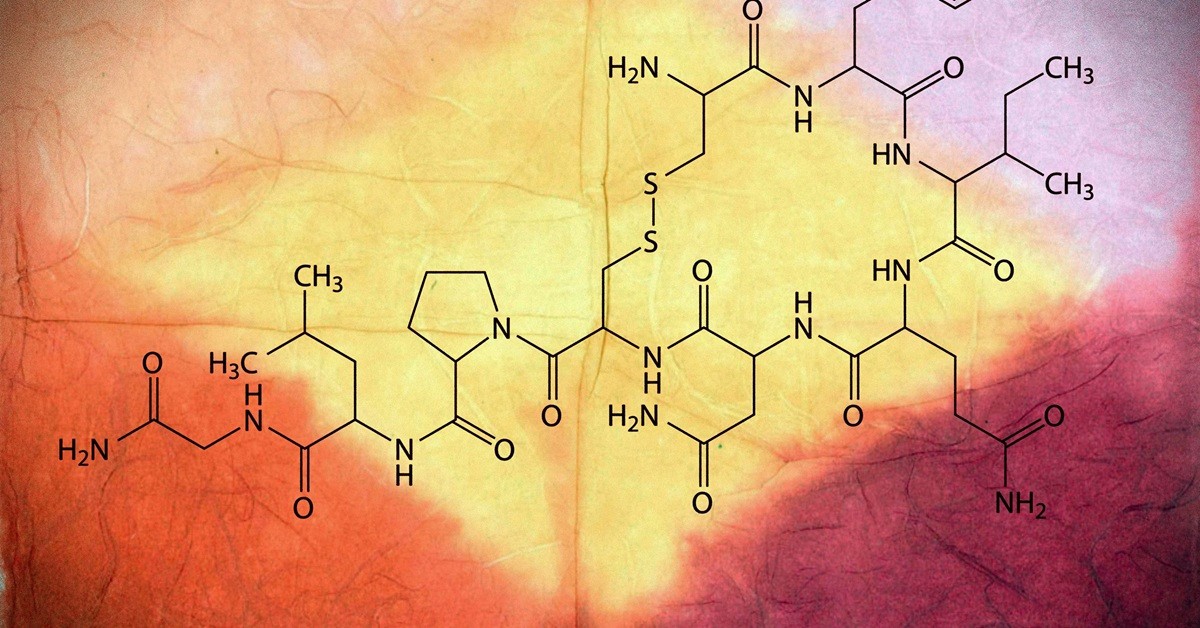
For decades, scientists have observed that people in warm, supportive relationships tend to live longer and enjoy better overall health. What has remained unclear, however, is why emotional closeness might provide such a powerful biological advantage. A new international study led by researchers from Germany, Switzerland, and Chile sheds fresh light on this question by exploring how oxytocin often nicknamed the “bonding hormone” interacts with intimate behavior to influence the body’s healing processes.
Investigating the Connection Between Love, Oxytocin, and Healing
To explore this link, the research team recruited 80 heterosexual couples and introduced a controlled skin injury to each participant’s forearm. The couples were then assigned to different experimental groups designed to separate the effects of oxytocin from those of affectionate interaction.
Across one week, the groups followed different routines:
-
One group received oxytocin nasal spray twice daily and participated in a “Partner Appreciation Task” (PAT), which required them to express positive, caring remarks to one another up to three times during the week.
-
A second group did the PAT but received a placebo spray instead of oxytocin.
-
A third group received oxytocin without the appreciation task.
-
The final group received a placebo and participated in no appreciation task at all.
The study’s findings have been published in JAMA Psychiatry.
Oxitocin Alone Isn’t Enough – But Combined With Affection, It Speeds Healing
When researchers measured the healing progress of the small wounds after seven days, a clear pattern emerged: oxytocin by itself did not accelerate wound recovery.
However, when oxytocin was paired with the affectionate interaction task, the skin lesions healed noticeably faster. This suggests that the hormone doesn’t directly influence tissue repair, but instead strengthens the restorative effects of social bonding.
Sexual Activity Intensifies the Healing Effect
The most striking finding came from couples who, in addition to receiving oxytocin, reported having sex during the study period. In these cases, wound healing occurred at the fastest rate observed.
According to the authors, more frequent sexual activity in the oxytocin group was a strong predictor of improved wound recovery. This aligns with previous work showing oxytocin is naturally released during sexual activity and other intimate moments.
Reduced Stress May Be the Missing Piece
To understand why sex and oxytocin had such a powerful combined effect, the researchers measured cortisol, a hormone associated with stress. Participants who were sexually active most often again, especially in the oxytocin group had lower cortisol levels in their saliva.
Lower stress paired with higher oxytocin likely creates an ideal physiological environment for faster healing. Physical closeness alone (such as affectionate touching) also offered some benefits, but the effect was strongest when the body had both:
-
Elevated oxytocin levels, and
-
Reduced stress driven by physical intimacy.
Intimacy as a Biological Amplifier
The main takeaway from the study is that oxytocin doesn’t act as a standalone healing agent. Instead, it seems to magnify the positive biological effects triggered by intimacy whether it’s sexual contact, affectionate touch, or simply expressing warm, appreciative words to one another.
As the authors explain, oxytocin appears to “amplify the benefits of closeness rather than creating direct physiological changes on its own.”