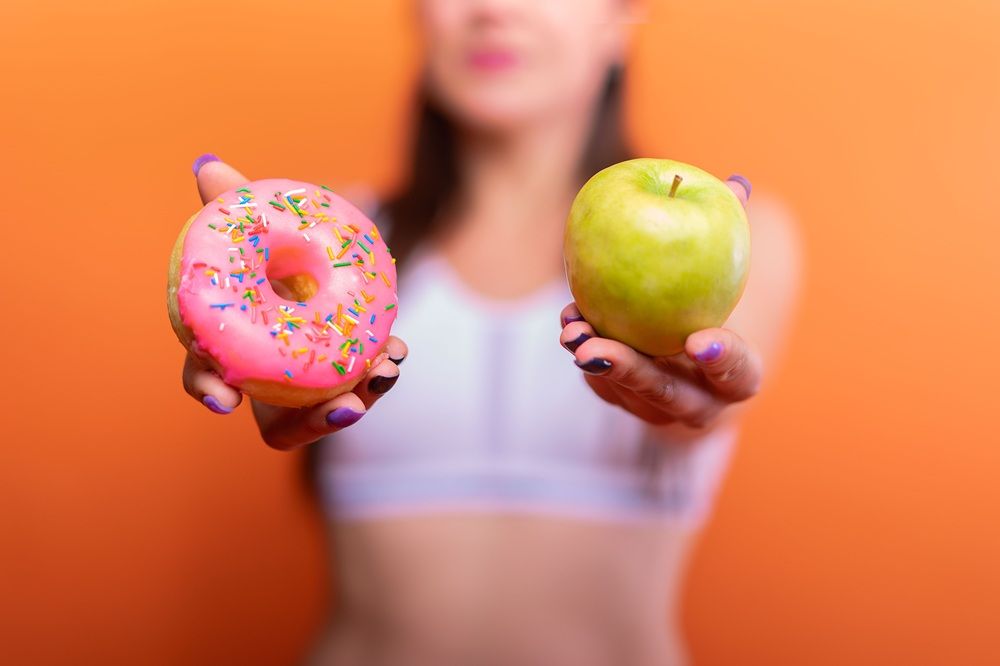
Sexual performance is often treated as something purely physical, psychological, or even a matter of luck. But a growing body of research suggests that one of the most overlooked factors influencing libido, stamina, and overall sexual health is something we control every single day: what we eat. From blood flow to hormone production, nutrition plays a foundational role in how our bodies respond during intimacy. This article explores the science-backed connection between diet and sexual performance, breaking down exactly which nutrients matter, which foods to prioritize, and which habits might be quietly working against you.
Why Nutrition Matters More Than You Think
Sexual arousal and performance rely on a complex interplay of blood circulation, hormone balance, nerve function, and energy levels. Each of these systems is directly affected by diet.
- Blood flow determines arousal and physical response in both men and women.
- Hormones such as testosterone and estrogen regulate desire and stamina.
- Energy levels affect endurance and confidence during intimacy.
- Mental clarity and mood, both influenced by blood sugar and micronutrients, shape desire and connection.
When any of these systems are compromised by poor nutrition, sexual performance often suffers, even if there's no underlying medical condition.
The Cardiovascular Connection
Sexual arousal, particularly erectile function in men and clitoral engorgement in women, depends on healthy blood vessels and efficient circulation. Diets high in saturated fats, refined sugars, and processed foods contribute to arterial plaque buildup, a condition medically known as atherosclerosis. This narrows blood vessels throughout the body, including those responsible for sexual arousal.
In fact, many doctors now consider erectile dysfunction an early warning sign of cardiovascular disease, since the blood vessels in the penis are smaller and more sensitive to circulation issues than those elsewhere in the body. This means that heart-healthy eating isn't just good for longevity, it's directly tied to sexual function.
Foods That Support Sexual Health
Nitrate-Rich Vegetables
Leafy greens like spinach, arugula, and beets are rich in dietary nitrates, which the body converts into nitric oxide. Nitric oxide relaxes blood vessels and improves circulation, the same mechanism targeted by many prescription medications for erectile dysfunction. Regularly including these vegetables in meals may support healthier blood flow throughout the body.
Healthy Fats and Omega-3s
Fatty fish such as salmon, mackerel, and sardines are packed with omega-3 fatty acids, which support cardiovascular health and reduce inflammation. Healthy fats also play a role in hormone production, since cholesterol (in moderation) is a building block for testosterone and estrogen. Avocados, olive oil, and nuts are excellent plant-based sources of similar benefits.
Zinc-Rich Foods
Zinc is one of the most researched minerals when it comes to sexual health, particularly for testosterone production in men. Oysters are famously high in zinc, which may be part of the reason they've held a reputation as an aphrodisiac for centuries. Other good sources include pumpkin seeds, beef, chickpeas, and lentils.
Antioxidant-Rich Fruits
Berries, pomegranates, and citrus fruits are loaded with antioxidants that protect blood vessels from oxidative stress and support healthy circulation. Pomegranate juice in particular has been studied for its potential to improve blood flow and reduce markers associated with erectile dysfunction.
Dark Chocolate
Dark chocolate contains flavonoids, plant compounds known to improve circulation and reduce blood pressure. It also stimulates the release of serotonin and phenylethylamine, chemicals associated with mood elevation and feelings of attraction.
Foods and Habits That Can Hurt Sexual Performance
Just as certain foods support sexual health, others can quietly undermine it.
Processed and Sugary Foods
Diets high in refined sugar and processed carbohydrates contribute to insulin resistance, weight gain, and inflammation, all of which negatively affect hormone balance and blood flow. Frequent blood sugar spikes and crashes can also lead to fatigue and mood swings, both of which reduce sexual desire.
Excessive Alcohol
While a small amount of alcohol may reduce inhibition, excessive drinking is strongly linked to decreased sexual performance. Alcohol is a depressant that impairs nerve signaling, reduces testosterone production over time, and can lead to difficulty achieving arousal or orgasm.
Trans Fats and Fried Foods
Trans fats, commonly found in fried and heavily processed foods, are directly linked to poor cardiovascular health. Since healthy circulation is essential for arousal, regular consumption of these foods can have a measurable negative impact over time.
Excess Soy in Some Cases
Some studies suggest that very high soy consumption may influence estrogen levels in men due to plant compounds called phytoestrogens. While moderate soy intake is generally considered safe and even healthy, extremely high, unbalanced consumption has been a topic of ongoing research regarding hormone balance.
The Role of Specific Nutrients in Sexual Health
L-Arginine
This amino acid is a precursor to nitric oxide production, the same compound responsible for vasodilation (the widening of blood vessels). Foods rich in L-arginine include turkey, chicken, pumpkin seeds, and dairy products. Some studies suggest supplementation may help mild cases of erectile difficulty, although more research is needed.
Vitamin D
Often called the "sunshine vitamin," vitamin D plays a role in testosterone production and overall hormonal health. Deficiency has been linked in some studies to lower testosterone levels and reduced libido. Fatty fish, fortified dairy, and moderate sun exposure are common ways to maintain healthy levels.
Magnesium
Magnesium supports healthy blood flow, muscle function, and stress regulation. Since chronic stress is a well-documented libido killer, ensuring adequate magnesium intake through foods like almonds, spinach, and dark chocolate may indirectly support sexual wellness.
B Vitamins
B vitamins, particularly B6 and B12, are essential for energy production and nervous system function, both of which influence stamina and sensitivity during intimacy. Whole grains, eggs, and lean meats are good sources.
Hydration: The Overlooked Factor
Dehydration is one of the simplest but most overlooked contributors to poor sexual performance. Even mild dehydration can cause fatigue, reduced blood volume, and lower arousal. Proper hydration supports circulation, lubrication, and overall energy levels, all of which are directly relevant to sexual function. Experts generally recommend consistent water intake throughout the day rather than large amounts consumed all at once.
Weight, Metabolism, and Sexual Confidence
Body composition also plays an important role in sexual performance, both physically and psychologically. Excess body fat, particularly visceral fat around the abdomen, is associated with lower testosterone levels and higher estrogen conversion in men. This hormonal shift can reduce libido and physical performance.
On the psychological side, confidence and body image significantly affect sexual satisfaction and willingness to be intimate. A balanced diet that supports a healthy weight, rather than extreme or restrictive dieting, tends to have the most positive long-term effect on both physical performance and self-confidence.
The Gut-Libido Connection
Emerging research has begun to explore the relationship between gut health and hormone regulation. The gut microbiome plays a role in metabolizing hormones, including estrogen, and chronic gut inflammation has been linked to systemic inflammation that can affect blood vessel health. Fermented foods like yogurt, kefir, and sauerkraut, along with fiber-rich vegetables, may support a healthier gut environment, which in turn may have downstream benefits for hormonal balance.
Practical Tips for a Sexual-Health-Friendly Diet
Rather than chasing a single "miracle food," experts generally agree that consistency and balance produce the best long-term results. Some practical steps include:
- Prioritizing whole, minimally processed foods over packaged and fried options.
- Including a variety of colorful vegetables and fruits daily for antioxidant intake.
- Choosing healthy fats like olive oil, nuts, and fatty fish over trans fats.
- Limiting added sugar and refined carbohydrates.
- Staying consistently hydrated throughout the day.
- Moderating alcohol consumption.
- Maintaining a stable, sustainable weight through balanced eating rather than extreme dieting.
Diet Alone Isn't Everything
While nutrition plays a significant role, it's important to recognize that sexual performance is influenced by multiple interconnected factors, including sleep quality, stress levels, physical activity, mental health, and relationship dynamics. A nutrient-rich diet can support the physical foundation for healthy sexual function, but it works best as part of a broader lifestyle that includes regular movement, quality sleep, and open communication with a partner.
For those experiencing persistent sexual performance issues, consulting a licensed healthcare provider is always recommended, as underlying medical conditions can sometimes be the primary cause, regardless of diet.
The connection between diet and sexual performance is backed by real physiological mechanisms, from blood flow and hormone production to energy levels and mood regulation. While no single food acts as a magic solution, consistently choosing nutrient-dense, whole foods while limiting processed items, excess sugar, and alcohol can meaningfully support long-term sexual health and confidence. As with most aspects of wellness, small, sustainable changes tend to produce the most lasting results.