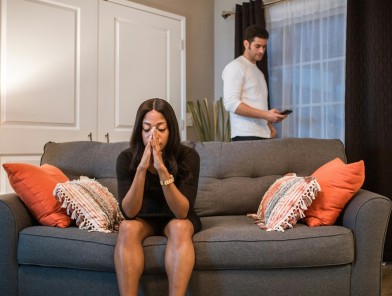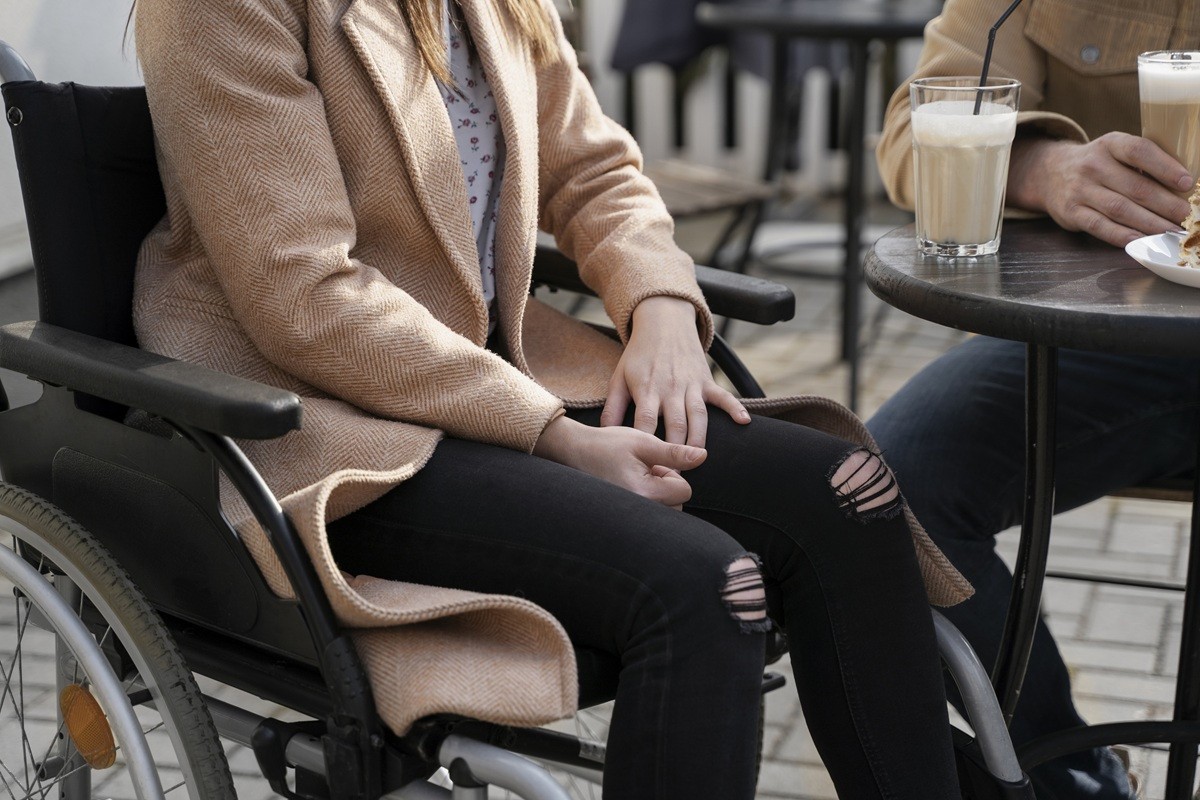
Sexuality is often spoken about as if it belonged exclusively to a narrow, idealized group of people: young, able-bodied, confident, and visibly attractive according to mainstream standards. Anyone who falls outside this imagined norm is quietly pushed out of the conversation. Few topics illustrate this exclusion more clearly than the intersection of sex and disability. It is a subject that provokes curiosity, discomfort, denial, and misunderstanding all at once, which is precisely why it so often remains unspoken. Yet disability does not erase desire. It does not switch off attraction, intimacy, fantasy, or the need for physical closeness. People living with physical or intellectual disabilities experience longing, arousal, and emotional connection just as deeply as anyone else. What differs is not the presence of sexuality, but the social space granted to express it.
The Cost of Silence Around Sex and Disability
When a subject is avoided for generations, myths begin to replace reality. In the case of disability, silence has produced a damaging narrative in which disabled people are either desexualized or treated as inappropriate, childlike, or incapable of consent. These assumptions shape public attitudes, healthcare policies, education systems, and even family dynamics.
Many disabled individuals grow up surrounded by unspoken rules that imply their bodies are not meant to be desired. Sexual curiosity is discouraged, questions are left unanswered, and privacy is often treated as a luxury rather than a right. Over time, this environment can lead to shame, confusion, and a deep sense of isolation.
The paradox is striking. Society claims to protect disabled people by limiting their sexual expression, yet this “protection” often strips them of autonomy and dignity. Sexuality, as recognized by the World Health Organization, is a fundamental aspect of human life. Denying access to it does not prevent harm; it creates it.
Desire, Identity, and the Right to Intimacy
Sexuality is not only about physical acts. It is about identity, self-image, and the feeling of being seen as a complete person. For people with disabilities, this dimension is often overlooked. They are discussed in terms of care, support, and limitations, but rarely in terms of attraction, romance, or pleasure.
This imbalance shapes how disabled individuals see themselves. Many internalize the idea that they are less desirable or somehow unworthy of sexual attention. This can be especially painful for those who acquired a disability later in life. Memories of how their body once moved, felt, or was perceived can collide with a present shaped by loss and adjustment. Grieving a former body while learning to accept a new one is an emotional process that deserves understanding rather than judgment.
Sexual self-acceptance becomes harder when the surrounding culture refuses to acknowledge that disabled bodies can be erotic, intimate, and desirable. The absence of representation reinforces the illusion that disability and sexuality cannot coexist.
Infantilization and Its Consequences
One of the most persistent barriers faced by disabled people is infantilization. Adults with disabilities are frequently treated as if they were perpetual children, regardless of age, experience, or capability. This attitude affects how families, caregivers, and institutions respond to expressions of desire.
Romantic relationships may be discouraged or actively prevented. Privacy can be limited under the assumption that supervision is always necessary. In extreme cases, disabled individuals are denied the right to make decisions about their own bodies. These practices are often justified as concern, but they reflect a deeper discomfort with disabled sexuality itself.
When adults are denied adult roles, their development suffers. Confidence erodes, opportunities shrink, and the message becomes clear: your needs matter less.
Intellectual Disability and Sexual Expression
Sexuality among people with intellectual disabilities is one of the most misunderstood areas of this discussion. Public perception often swings between two extremes: the belief that they are asexual, or the fear that they are sexually inappropriate or dangerous. Both views are harmful and inaccurate.
People with intellectual disabilities experience attraction and desire, but they may need education that is adapted to their cognitive abilities. When sexual education is absent or inadequate, confusion about boundaries, consent, and privacy can arise. This is not evidence of deviance, but of neglect.
Growing up in institutional settings can further complicate this picture. Limited privacy and rigid routines make it harder to learn the difference between public and private behavior. Without clear, respectful guidance, individuals are left to navigate sexuality alone, often punished for mistakes rather than supported in learning.
The Role of Accessible Sexual Education
Meaningful sexual education for people with intellectual disabilities must be practical, respectful, and understandable. It should affirm that they are allowed to have desires and relationships, while also explaining social norms and personal boundaries in a way that makes sense to them.
When education focuses on empowerment rather than restriction, it reduces risk rather than increasing it. People who understand their own bodies and rights are better equipped to protect themselves and to build healthy connections with others.
Physical Disability and Sexual Adaptation
Physical disability is often assumed to mean the end of sexual life, particularly when paralysis or mobility limitations are involved. This assumption ignores the complexity of sexual experience. While physical function may change, desire does not simply vanish.
For individuals with spinal cord injuries, such as paraplegia or quadriplegia, sensation and sexual response may shift. Traditional genital sensation can be altered or absent, but pleasure does not rely on one pathway alone. Many people report experiencing sexual satisfaction through other forms of stimulation, emotional closeness, and alternative bodily sensations.
The idea that orgasm must feel one specific way is a narrow one. Bodies adapt, and so does pleasure. What matters is exploration, communication, and permission to redefine intimacy on new terms.
Creativity, Tools, and Support
Sexual adaptation often involves creativity. Modified furniture, assistive devices, and sex toys can make intimacy more accessible and comfortable. Finding suitable positions or rhythms may take time, but these adjustments do not diminish the value of the experience.
In some cases, professional support plays a role. Sex therapists, counselors, and trained intimacy workers can help individuals and couples navigate physical changes without shame. Media representations, such as films and documentaries that portray disabled sexuality with nuance, also contribute to breaking long-standing taboos.
The Emotional Dimension of Sexual Exclusion
Statistics consistently show that a significant percentage of disabled adults do not have regular sexual experiences. This absence is rarely due to lack of interest. More often, it reflects social barriers, limited opportunities, and internalized stigma.
Repeated rejection, whether explicit or implied, takes a psychological toll. When people are told indirectly that no one would want them, they may stop seeking connection altogether. Loneliness becomes normalized, and desire is pushed inward, where it often turns into frustration or sadness.
The emotional impact of sexual exclusion deserves as much attention as physical accessibility. Intimacy is not a luxury; it is a source of emotional regulation, confidence, and human connection.
Dating, Technology, and New Pathways to Intimacy
The digital age has opened doors that were previously closed. Online dating platforms designed specifically for people with disabilities offer spaces where attraction can develop without immediate judgment based on physical appearance. These environments allow individuals to present themselves on their own terms.
Technology has also introduced new ethical debates, including the use of sex robots and advanced devices. While controversial, these innovations raise important questions about autonomy, consent, and access to pleasure. For some individuals, they may offer a form of intimacy otherwise unavailable, though they cannot replace human connection.
What matters most is choice. Disabled people should be allowed to decide what forms of intimacy suit them, without moral panic or imposed limitations.
Escort Services and the Right to Sexual Experience
One of the most sensitive yet necessary parts of this conversation involves sex work. Increasingly, professional escorts openly offer services to clients with disabilities. This development challenges long-held assumptions and forces society to confront uncomfortable truths about sexual entitlement and access.
For many disabled individuals, escorts provide more than physical release. They offer a safe, consensual environment in which intimacy can be explored without judgment. These encounters can help rebuild confidence, reconnect people with their bodies, and provide experiences that were previously inaccessible.
It is important to frame this reality correctly. Consensual sex work, when practiced ethically, is about mutual agreement and respect. Disabled clients are not exploiting a system; they are exercising their right to intimacy in a world that often denies them other avenues.
Ethics, Consent, and Normalization
The idea that disabled people should abstain from sex or rely solely on romantic partners assumes opportunities that may not exist. Escort services can function as one of several legitimate paths to sexual experience, particularly when emotional isolation is severe.
Recognizing this does not diminish the value of romantic relationships. It simply acknowledges that sexual freedom includes the right to choose how intimacy is experienced.
Changing Attitudes Beyond the Disabled Community
True change cannot occur if education focuses only on disabled individuals. The broader public must also confront its discomfort. Stereotypes persist because they are rarely challenged. Media representations, school curricula, and healthcare practices all shape how sexuality and disability are understood.
When non-disabled people learn to see disabled individuals as potential partners, lovers, and parents, the social landscape begins to shift. Attraction becomes more inclusive, and rigid beauty standards lose some of their power.
Breaking taboos requires open conversation, not whispered exceptions. It requires listening to disabled voices and respecting their experiences rather than speaking over them.
Toward a More Honest Understanding of Sexual Freedom
Sexual freedom is incomplete if it excludes certain bodies or minds. A society that values autonomy must extend that value to everyone, including those who move differently, communicate differently, or need support in different ways.
Disability does not negate desire. It does not cancel intimacy, pleasure, or the need to be touched and wanted. What limits sexual expression is not the body itself, but the attitudes surrounding it.
When space is made for honest dialogue, education, and choice, disabled sexuality stops being a taboo and starts being what it has always been: a natural part of human life. The right to intimacy, whether expressed through relationships, exploration, or professional services, belongs to everyone.