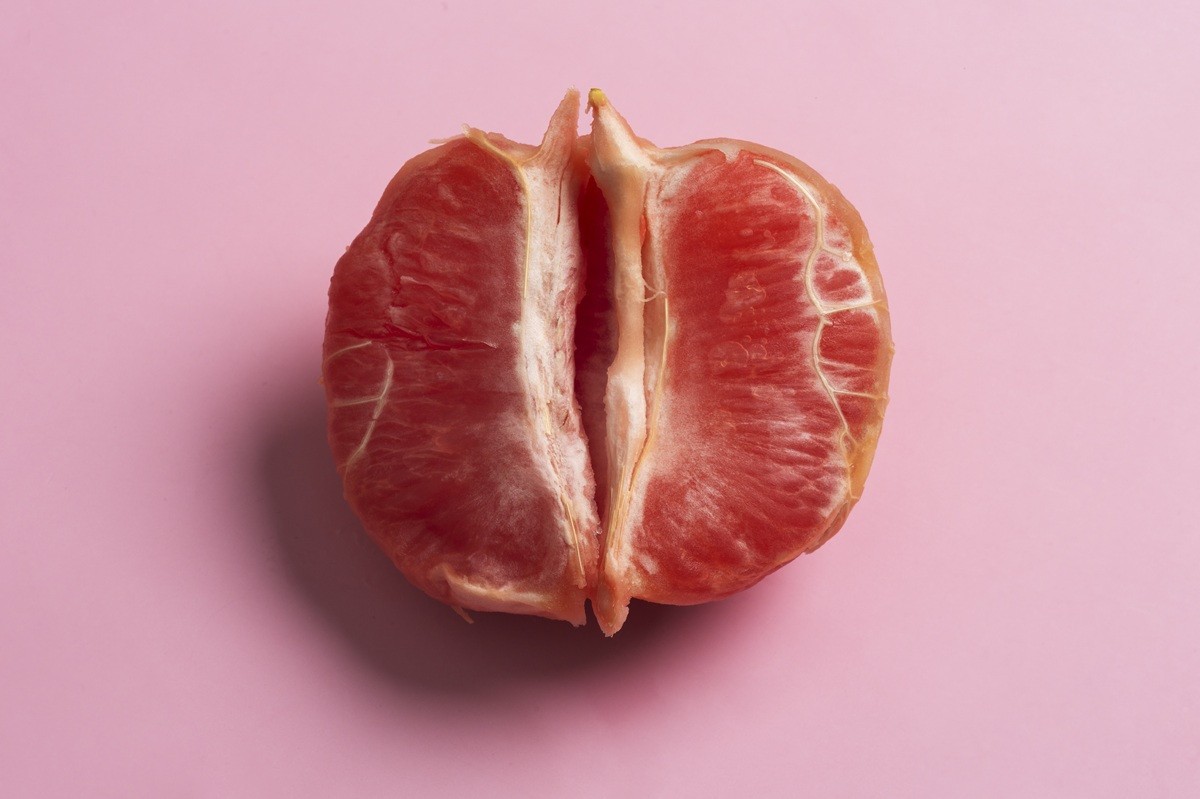
A woman’s intimate area can vary for countless reasons. The primary factor is genetics, which determines the structure and shape of the body. No two women are the same, and every vulva is unique. These differences are present from birth, but they may continue to change with age and childbirth.
Genetic traits: Genes determine almost all physical characteristics, including the shape of the vulva.
Hormonal changes: Hormonal fluctuations throughout life also affect the appearance of the intimate area.
Age: As time passes, tissues may become looser, changing in shape and size.
Childbirth: Pregnancy and childbirth can significantly impact the appearance of the genital area.
Weight changes: Weight gain or loss also affects the elasticity of the skin and tissues.
All these factors contribute to every woman being unique and this uniqueness is completely natural and normal.
A Brief Overview of the Female Vulva’s Anatomy
The female vulva is made up of several unique parts that together form the external genital area. These include the labia majora, labia minora, clitoris, and the vaginal opening. The labia majora are typically larger skin folds, while the labia minora vary greatly in size and shape. The clitoris, a small and highly sensitive organ, plays a central role in sexual pleasure. The area around the vaginal opening also differs widely in form and color from one individual to another.
Labia majora: Outer folds that protect the internal genital organs; shape and size vary.
Labia minora: Inner folds around the vaginal opening; help regulate moisture and protection.
Clitoris: A sensitive organ crucial for sexual pleasure.
Vaginal opening: The entrance for intercourse and the exit for menstrual blood.
Every vulva is unique. Anatomical differences are normal and natural, and there is no universal standard for how it “should” look. This diversity is simply part of being human.
External and Internal Female Genital Organs
Female genitalia are divided into external and internal structures.The external genital organs include the mons pubis (fatty tissue over the pubic bone) and the labia, both majora and minora. The clitoris is also part of the external genitalia a highly sensitive structure essential for arousal and orgasm. The hymen partially covers the vaginal opening and varies in shape and size.
The internal genital organs include the vagina a flexible canal connecting the external and internal structures. Above it lies the uterus, a pear-shaped organ central to menstruation and pregnancy. The cervix connects the uterus to the vagina. The ovaries, located on each side of the uterus, produce eggs and hormones like estrogen and progesterone. The fallopian tubes connect the ovaries to the uterus, and fertilization occurs within them.
This complex system supports reproduction and pleasure, reflecting the incredible diversity and uniqueness of the female body.
Unique Characteristics of the Vulva
Every vulva is as unique as a fingerprint. The diversity and differences are entirely natural. These unique features come from factors such as:
Genetics: Determine skin elasticity, hair thickness, and the shape of the labia.
Hormonal fluctuations: Can change the appearance of the genital area.
Age and life experiences: Time, childbirth, and personal experiences all shape the vulva’s appearance.
Body shape: Body proportions also influence vulvar characteristics.
These traits highlight how complex and diverse the female body truly is. Understanding that what is natural for you is completely normal can help boost self-confidence and self-acceptance.
The Five Main Vulva Types
The diversity of the vulva is just as natural as variations in height or hair color. Here are the five most common categories.
Type 1: Hidden Labia Minora
In this type, the labia minora are entirely covered by the labia majora and are not visible when standing or lying down. This usually means the labia minora are positioned so they do not protrude at all.
-
The area appears smooth and uniform.
-
Often causes less irritation with tight clothing due to reduced friction.
-
Aesthetically, some consider it ideal but beauty is subjective.
-
No health advantages or disadvantages compared to other types.
This type is completely natural and common.
Type 2: Slightly Visible Labia Minora
Here, the labia minora gently peek out from behind the labia majora. The extent varies from person to person.
-
A very common and natural appearance.
-
Does not affect daily activities or comfort.
-
Many find it aesthetically pleasing, though perceptions vary.
-
Entirely healthy and normal.
This type highlights just how naturally diverse the vulva can be.
Type 3: Prominently Visible Labia Minora
With this type, the labia minora extend noticeably beyond the labia majora.
-
Easier to notice due to the more pronounced protrusion.
-
Tight clothing may occasionally cause discomfort.
-
Often more sensitive, potentially affecting sexual pleasure.
-
Completely healthy, though some women may feel self-conscious because of societal expectations.
This type is natural, normal, and very common.
Type 4: Asymmetrical Labia Minora
In this type, one labium is larger or shaped differently than the other.
-
Asymmetry can be subtle or quite noticeable.
-
Influenced by genetics, hormones, aging, childbirth, or minor injuries.
-
Typically does not cause any functional issues.
-
Normal variation of anatomy.
Just like asymmetrical breasts or eyebrows, this is simply part of natural human variety.
Type 5: Prominent Labia Majora
Here, the labia majora are fuller, rounder, and more pronounced, sometimes completely covering the labia minora.
-
Fuller, more padded appearance.
-
Provide additional protection to the inner structures.
-
A completely healthy, natural anatomical variation.
Again nothing unusual or problematic. Just a normal part of human diversity.
Female Beauty Ideals vs. Reality
Beauty standards often put pressure on women to meet unrealistic expectations, even regarding intimate areas. But the reality is that female genitalia vary widely.
-
Uniqueness: No two vulvas look the same.
-
Media influence: Pornography and media often show edited, unrealistic images.
-
Self-esteem: Nothing about a vulva’s appearance makes it abnormal or unattractive.
-
Cultural differences: What is considered “ideal” varies greatly by culture.
Understanding this helps women build confidence and a healthier body image.
How Media Influences Perception
Media often promotes idealized images of women’s bodies, which can strongly affect self-esteem.
-
Unrealistic norms: Images are often edited and do not reflect reality.
-
Self-acceptance: Real vulvas vary enormously in shape, size, and color.
-
Role of education: Media should promote more realistic, diverse representations.
Greater representation helps reduce unnecessary anxiety and promotes healthier attitudes toward the body.
What Is Considered “Normal”?
When it comes to female genitalia, there is no single “normal” appearance.
-
Natural variations: Differences in size, shape, color, and proportion are all common.
-
Cultural influence: Ideas of “normal” are shaped by society and media, not biology.
-
Biological uniqueness: Genetics and hormones contribute to individual differences.
Accepting this diversity is key to developing confidence and a positive body image.
The Role of Self-Acceptance in Body Image
Self-acceptance plays a crucial role in a healthy body image. It helps you respect and appreciate your body as it is including your intimate areas.
-
Boosts confidence
-
Reduces stress and anxiety
-
Supports better mental health
-
Improves relationships and communication
Self-acceptance takes time, but it leads to a happier, more authentic life.
Why Accepting Your Uniqueness Matters
Accepting your individuality is essential for emotional well-being.
-
Reduces social pressure
-
Builds stronger self-confidence
-
Improves emotional stability
-
Encourages authentic self-expression
Diversity is beautiful. Embracing your uniqueness fosters deeper self-love and greater empathy toward others.